
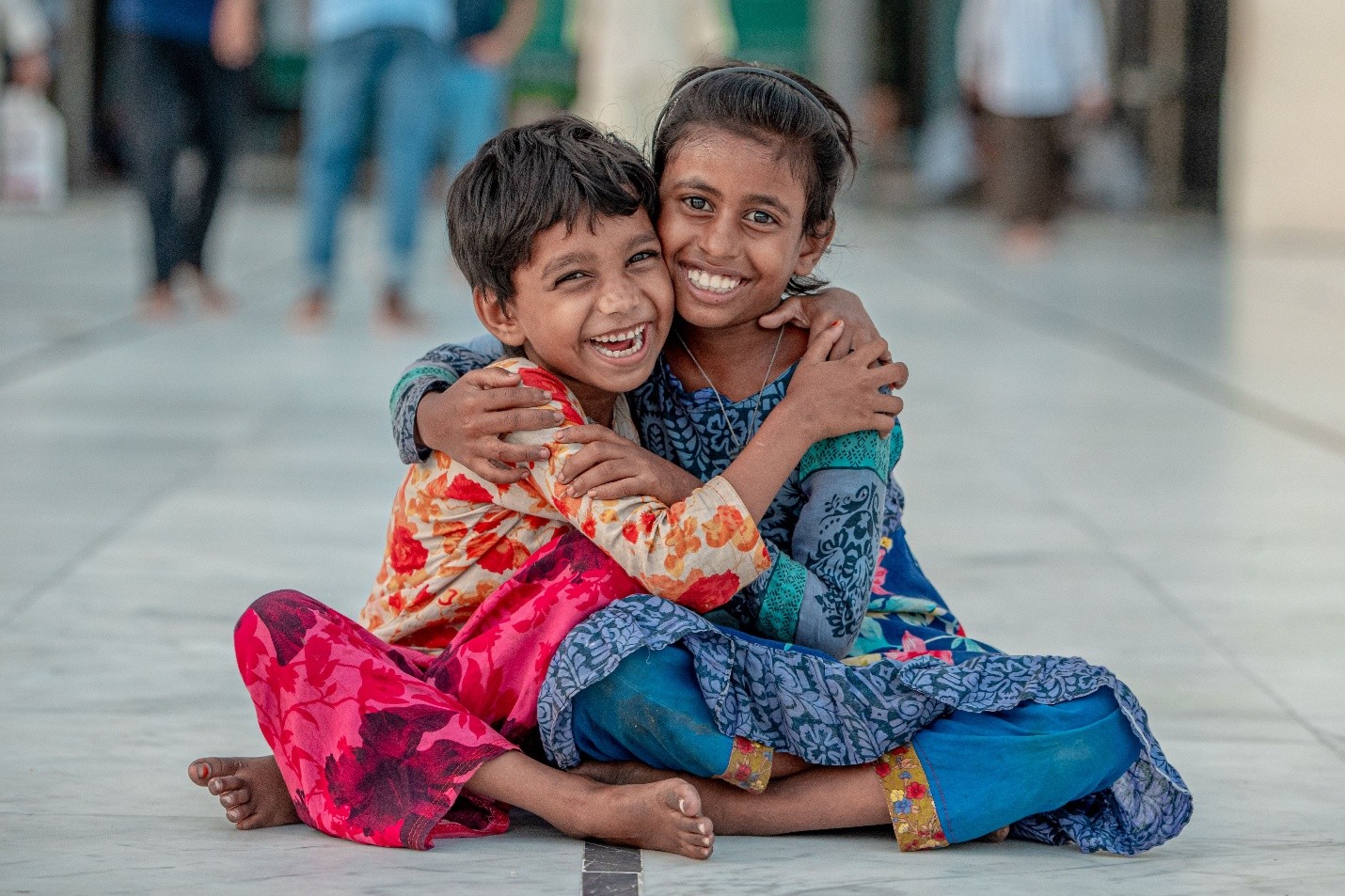
One of the most common questions we receive is: “Can I sponsor my brother or sister for a green card?”
The answer is yes, but sibling immigration cases are often among the longest family-based immigration processes. U.S. citizens may petition for certain brothers and sisters to immigrate to the United States as lawful permanent residents (“green card holders”), but applicants should be prepared for significant waiting periods.
Who Can Sponsor a Brother or Sister for a Green Card?
Only U.S. citizens who are at least 21 years old may sponsor a sibling for lawful permanent residence.
Lawful permanent residents (“green card holders”) cannot petition for brothers or sisters. If you are a green card holder and wish to sponsor a sibling, you must first become a U.S. citizen before filing the petition.
What Immigration Form Is Required?
To begin the immigration process, the U.S. citizen must file Form I-130, Petition for Alien Relative, with USCIS.
The purpose of the I-130 petition is to establish the family relationship between the U.S. citizen and the sibling beneficiary.
After USCIS approves the petition, the sibling will be placed in the Family Fourth Preference (F4) visa category.
What Documents Are Required to Prove the Relationship?
The required documentation depends upon how the siblings are related.
Examples may include:
- Birth certificates showing at least one common parent;
- The petitioner’s proof of U.S. citizenship;
- Marriage certificates, divorce decrees, or name change documents, if applicable;
- Evidence of a common father where legitimacy or paternity issues exist;
- Adoption records, if applicable;
- Photographs;
- DNA results
Because family relationships vary significantly, it is important to review the specific facts of each case before filing.
How Long Does It Take To Bring A Brother Or Sister To The United States?
Unfortunately, sibling immigration cases typically involve some of the longest waiting times in U.S. immigration law.
Even after USCIS approves the I-130 petition, the sibling must wait for a visa number to become available under the F4 category.
Depending on the beneficiary’s country of birth and visa availability, processing may take many years and sometimes more than a decade before the immigrant visa interview is scheduled.
Can My Brother or Sister’s Spouse and Children Also Immigrate?
Generally, yes.
One significant advantage of sibling petitions is that certain family members may immigrate as derivative beneficiaries.
This means the principal beneficiary’s spouse and unmarried children may also receive immigrant visas based on the approved sibling petition, provided they continue to qualify under immigration laws.
In some situations, the Child Status Protection Act (CSPA) may help certain children remain eligible even if processing times are lengthy.
Here’s a simple breakdown of the process for U.S. Citizens who want to sponsor their siblings.

- Speak with our office to confirm that you qualify to petition for your brother or sister (sibling), and that your sibling is eligible to receive a family-based visa. Based on each of your family, immigration, criminal, and employment histories, there may be factors that could affect eligibility.

- Gather the necessary documents for your case, such as evidence of relationship, biographical information, and other relevant legal documents.
- At our office, we work to prevent unnecessary delays by providing each client with a personalized checklist tailored to their specific case. These checklists outline all required documentation and are delivered electronically via email and text message alerts for convenience.
- To help clients stay on track, we also send regular reminders until all items are submitted and the file is complete, which ensures a smooth and timely preparation process.

- File an immigrant petition with the U.S. Citizenship and Immigration Services (USCIS) by submitting Form I-130, Petition for Alien Relative. This form establishes that you’re in a genuine and bona fide relationship.
- At our office, we assist families with the completion of the I-130, Petition for Alien Relative and the submission of all required supporting documents. Our goal is to ensure that every section of the petition is completed thoroughly and accurately, and that all documentation meets current government standards.
- This tailored support significantly reduces the risk of having the petition rejected, denied, or delayed by a Request for Evidence (RFE) helping couples avoid unnecessary setbacks and improving their chances of a smooth and timely adjudication process.
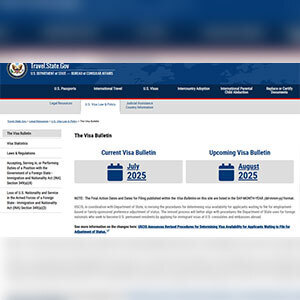
- Keep an eye on the U.S. Department of State’s visa bulletin to find out when a visa is available for your sibling. The visa bulletin is updated every month and gives an estimate of when immigrant visas (also called “visa numbers”) will be ready for different family categories. It’s important to check this regularly so you know when your child’s case can move forward.
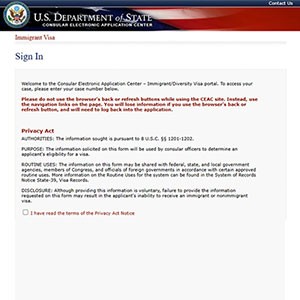
- Once a visa number is available, pay for and submit the DS-260 online visa application with the National Visa Center (NVC). At this stage, your family member/relative will need to obtain police certificates.
- At our office, we assist your family member/relative with the completion of the DS-260 online visa application and the submission of all required supporting documents. Our goal is to ensure that every section of the application is completed thoroughly and accurately, and that the correct documents are uploaded in accordance with visa requirements.
- This personalized support allows families to move forward confidently, knowing that their application is being handled with care and precision minimizing delays and maximizing their chances for a smooth visa process.

- Once the application and supporting documents are submitted at the NVC and a visa is available, your family member/relative will need to undergo an immigration physical/medical exam.

- Your family member/relative will be scheduled to attend a visa interview at a U.S. embassy or consulate abroad. Your family member/relative should be prepared to answer questions regarding both their and your family background, immigration history, criminal record, and employment information.
- At our office, we provide clients with a mock visa interview to help prepare for the real experience. This allows the foreign national to understand the types of questions typically asked during the interview and the reasons behind them. Mock visa interviews can be conducted by phone or virtually via WebEx, Viber, or WhatsApp, depending on the client’s preference.
- After your family member/relative arrives in the United States, their Green Card will be sent directly to our office for safekeeping. Once we receive it, we’ll promptly scan a copy for your records and mail the original to your designated address. This process helps ensure your important documents are handled securely and delivered with care.
For more information on How do I bring my brother or sister (sibling) to the United States as a U.S. Citizen a consultation is your next best step. Get the information and legal answers you are seeking by calling (281) 777-1236 today!
Common Questions We Can Help You With
- Can a U.S. citizen sponsor a brother or sister for a green card?
- Can a green card holder sponsor a sibling?
- How old do I have to be to sponsor my brother or sister?
- What documents are needed to prove a sibling relationship for immigration?
- Can I sponsor a half-brother or half-sister for a green card?
- How do I apply for a sibling green card?
- What is Form I-130 for a brother or sister?
- What happens after a sibling I-130 petition is approved?
- What is the F4 visa category?
- Can my sibling apply for a green card while living outside the United States?
- How long does it take to bring a brother or sister to the United States?
- Why do sibling green card cases take so long?
- How can I check my sibling’s visa priority date?
- What is the current wait time for an F4 visa?
- Can my brother’s spouse and children immigrate with him?
- Can my sister bring her husband and children to the United States?
- What happens if my sibling’s child turns 21 before the visa becomes available?
- Can I sponsor my sibling if they are already in the United States?
- Can my sibling get a work permit while waiting for a green card?
- What are the most common reasons sibling green card cases are delayed or denied?
- Can I bring my brother to the USA permanently?
- Can I sponsor my sister from Vietnam/Mexico/India/Philippines?
- How much does it cost to sponsor a sibling for a green card?
- Can my sibling become a U.S. citizen after getting a green card?
- Is there a faster way to bring my brother or sister to the United States?
- Can a U.S. citizen sponsor multiple siblings?
- What is the difference between a sibling petition and a parent petition?
- Can an approved I-130 expire while waiting for an F4 visa?

Call For A Free Consultation*
(281) 777-1236